
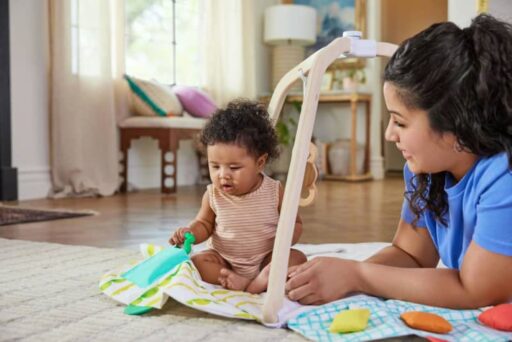


The traditional baby gym, usually a padded mat with a simple plastic arch and a few dangling plush toys, is quietly changing. Not overnight, and not for everyone, but it is changing. As more parents look for ways to understand developmental progress in real time, the idea of the “Smart” Nursery has started to feel less futuristic and more, well, normal.
A smart play gym is essentially an interactive activity center equipped with sensors, Bluetooth connectivity, or app based systems designed to monitor a baby’s physical and cognitive activity. Unlike passive toys that simply exist in the background, these gyms actively collect data and offer feedback about how a child moves, reaches, and engages. For some families, that extra layer of information feels reassuring. For others, it feels unnecessary, maybe even distracting. And honestly, both reactions make sense.
This guide walks through how to decide whether a high tech play gym fits your family and, if it does, how to use it without letting the technology take over.
Step 1 Identify Your Developmental Goals
Before spending anywhere from $150 to $300 on a smart gym, it helps to pause and ask what you are actually hoping to gain. Most parents who lean toward these products usually have one or more of these goals in mind.
Tracking milestones is a big one. Many smart gyms promise to help monitor when a baby begins reaching, grasping, or kicking with more intention. There is also the appeal of curated play. Companion apps often suggest age appropriate activities, which can be helpful on days when you are tired and unsure what kind of stimulation your baby needs. Engagement is another factor. Lights and sounds that respond to movement introduce early cause and effect learning, which can be genuinely fascinating to watch.
It is worth remembering that developmental milestones are simply observable behaviors or physical skills seen as infants grow. Rolling over, sitting up, or mastering a pincer grasp were all tracked long before sensors existed. Smart gyms aim to digitize that observation, not redefine it, and that distinction matters.
Step 2 Evaluate Key Features and Sensors
Not all smart gyms offer the same level of functionality, and some features are more useful than others. When comparing options, it helps to look beyond the marketing language and focus on the actual components.
Pressure sensitive mats are one of the most common features. These measure the force and frequency of kicks, which can support leg strength and early motor coordination. Integrated apps are another major element. Compatibility with your smartphone is essential, especially if the app stores video clips or long term data logs from play sessions.
Visual stimuli also vary widely. Some gyms use adaptive LED patterns that respond to where a baby is looking, helping with visual tracking, or the ability to follow moving objects with the eyes. Audio feedback is often included as well. Multi language options or built in white noise can be useful, though not every family will use them regularly.
Step 3 Assess the Human Value Versus the Tech Hype
Deciding whether a smart gym is worth the investment often comes down to lifestyle and temperament, both yours and your baby’s.
On the plus side, having data to share with pediatricians can be helpful, especially if you have specific concerns. Many smart gyms are modular and designed to grow with a child, shifting from tummy time setups to toddler play stations. For first time parents in particular, there is also a certain peace of mind that comes from seeing an app confirm that a baby appears to be on track. That reassurance can feel valuable at three in the morning.
On the other hand, some families prefer a low tech approach. Screen fatigue is a real concern, and many parents intentionally create tech free zones for infants to avoid overstimulation. Price is another factor. A well made wooden play gym costs far less and still supports the same basic physical development. There is also the matter of simplicity. Batteries need charging, software needs updates, and sometimes you just want a toy that works without troubleshooting.
Step 4 Set Up Your Smart Nursery Safely
If you do decide to bring a smart gym into your home, setup deserves a bit of attention. Safety should always come first.
Check the Bluetooth range and ensure the gym does not interfere with your baby monitor or home Wi Fi system. Manage cables carefully. Most smart gyms are battery powered, but if yours includes a cord, it should be completely inaccessible to your child. Placement matters too. The mat should sit on a flat, firm surface, never on a bed or elevated area.
Firmware updates are easy to overlook, but they are important. Like any connected device, smart toys rely on updates to fix bugs and address security issues. It may feel odd updating a baby toy, but it is part of owning connected products now.
Step 5 Implement a Hybrid Play Routine
To get real value from a smart play gym, it helps not to rely on the sensors alone. A hybrid approach tends to work best.
Spend time actively observing your baby during play. Ten focused minutes can tell you far more than any chart, and the data should supplement, not replace, your instincts. Rotate toys regularly if the gym allows it. Changing attachments weekly can keep the experience fresh without adding clutter.
Tummy time deserves special attention. Using lights or visual features to encourage a baby to lift their head and engage while lying on their stomach can be genuinely helpful. Tummy time remains an essential practice for building neck and shoulder strength, whether it is guided by LEDs or a familiar face just out of reach.
In the end, a smart play gym is a tool, not a requirement. For some families, it fits neatly into daily life and offers reassurance and structure. For others, a simple mat and a few well loved toys feel just right. Neither choice is wrong. What matters most, perhaps, is staying present enough to notice how your baby responds, with or without the data.
FAQ: Smart Play Gyms
Q. Does my baby actually need a smart gym to develop properly?
A. No. Babies have developed perfectly for centuries with simple toys. A smart gym is a convenience tool for parents who want data and guided play ideas.
Q. Are these devices safe regarding data privacy?
A. Most reputable brands use encrypted Bluetooth connections. However, always read the privacy policy of the companion app to see how your baby’s “play data” is stored.
Q. Can a smart gym overstimulate a newborn?
A. Yes. If the gym has bright flashing lights and loud music, it can be overwhelming. Look for gyms with adjustable “modes” so you can turn down the intensity.
Q. How long will a smart play gym last?
A. Most are designed for babies aged 0 to 12 months. Some high-end models convert into play tents or activity tables for toddlers up to age 3.
Q. What is the “ROI” on a smart gym?
A. The “Return on Investment” is usually measured in parental time saved (not having to research “what should my 4-month-old do today?”) and the convenience of automated milestone tracking.